
About POISK Group
A Scientific Breakthrough in Exploration Technology
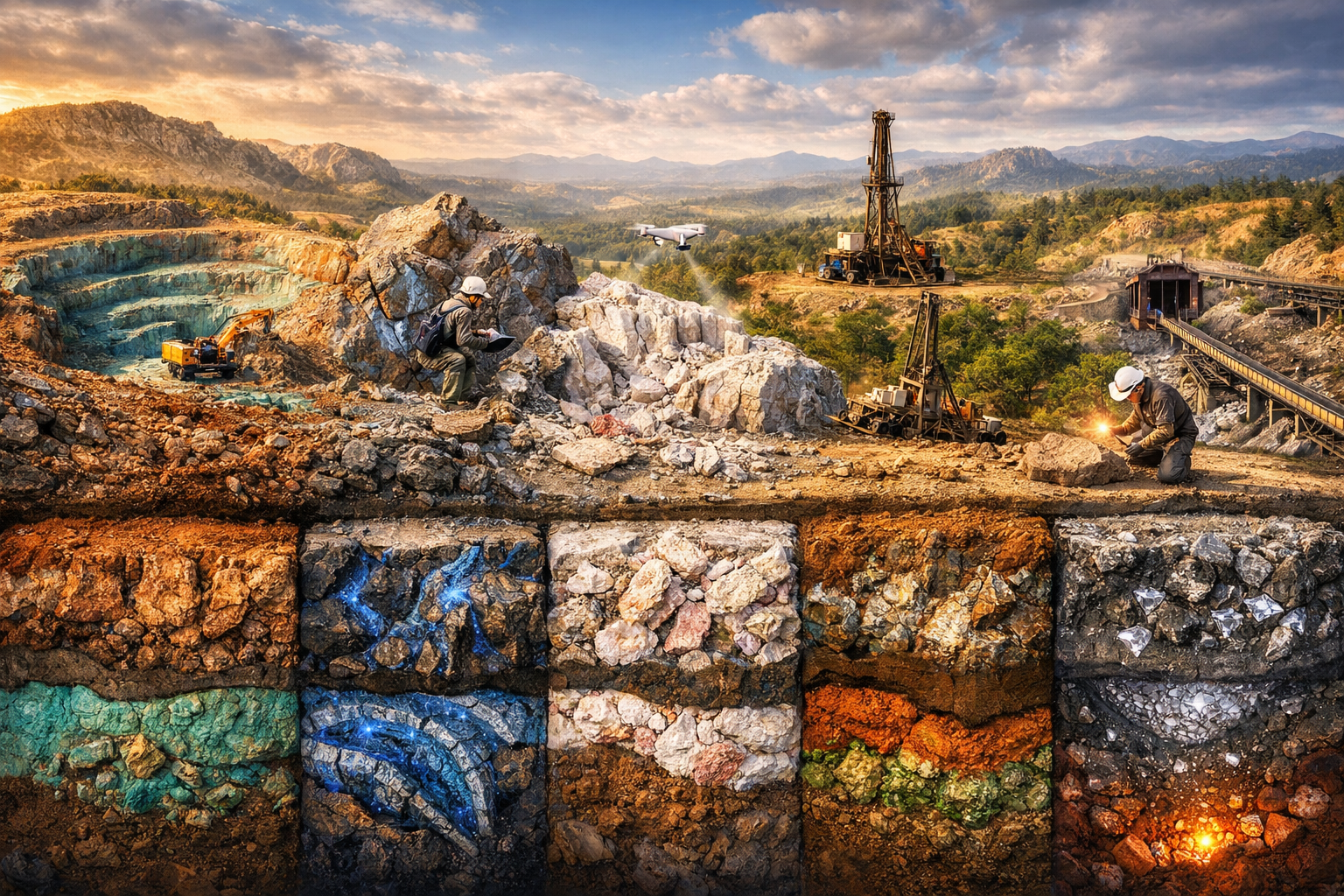
For almost three decades, POISK has been at the forefront of discovering subsurface mineral resources through advanced physics and geoscience.
Our Mission
Replacing guesswork with direct, physics-based subsurface intelligence.
To make exploration faster, safer, less expensive and far more accurate by replacing guesswork with direct, physics-based subsurface intelligence.
Built on deep expertise in nuclear magnetic resonance, geophysics and remote sensing, POISK pioneered the world's first method for global, remote NMR-based mineral detection — a patented technology that transforms how exploration decisions are made.
Our work has enabled operators across the world to detect hydrocarbons, metals, groundwater and natural hydrogen with unprecedented accuracy, long before drilling begins.
- 1998
- Founded in Sevastopol
- 360+
- Commercial projects delivered
- 8
- Patents (UA / RU / CH / DE)
- 6
- Continents with project work
Management team
The people behind POISK Group.
POISK Group's executive leadership — Chief Scientist Officer, Chief Operating Officer and Chief Geologist.
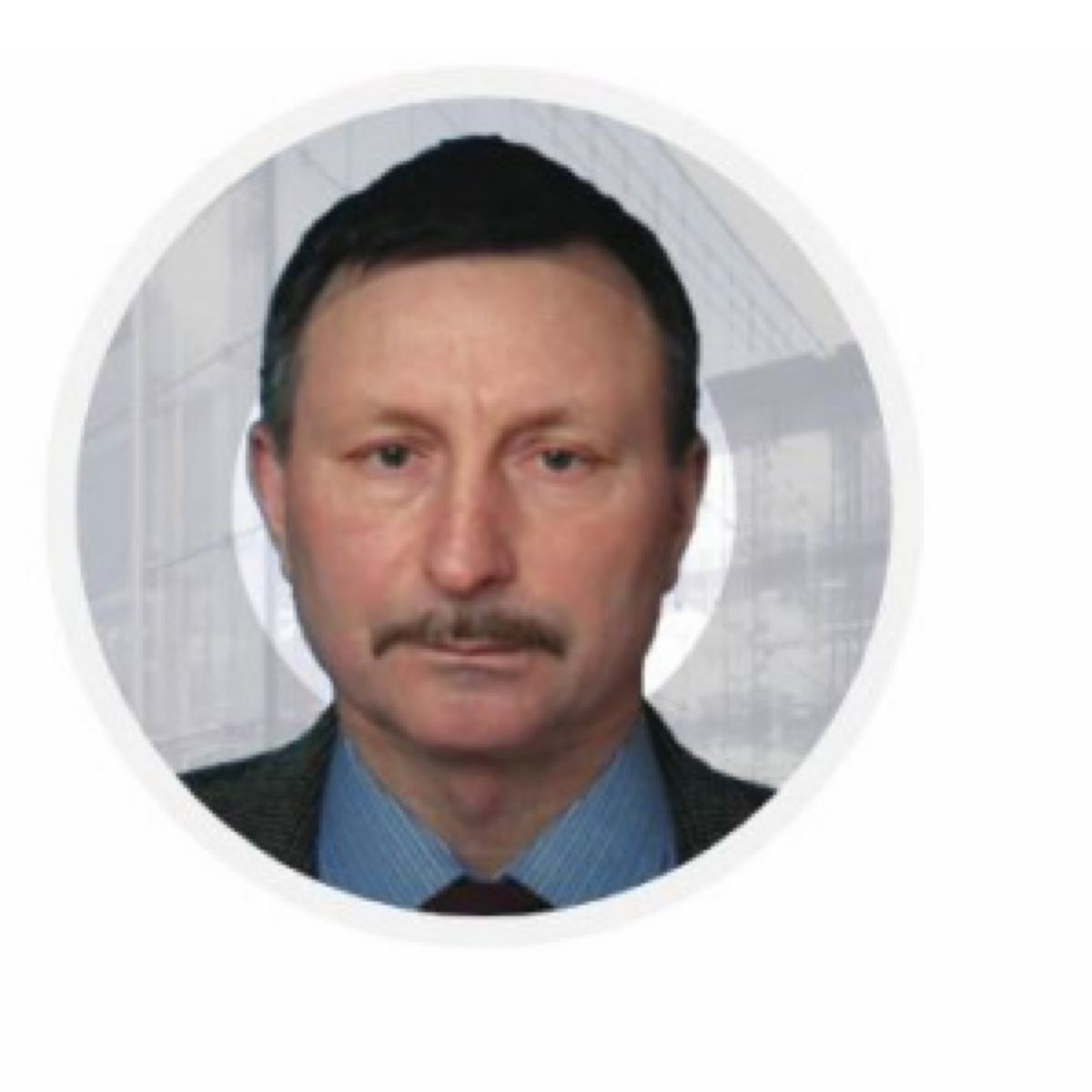
Prof. Dr. N. I. Kovalev
Chief Scientific Officer (CSO) · Method co-author
POISK Group LLC · Sevastopol State University
Lead author of the foundational POISK publications, including the 2010 Geoinformatika paper on hydrocarbon-area boundary determination and the 2016 Düsseldorf monograph (5 parts) on the remote geophysical complex.
- Co-inventor on multiple POISK patents (UA / RU / CH / DE)
- Lead author, 2016 Düsseldorf monograph (ISBN 978-3-659-60461-4)
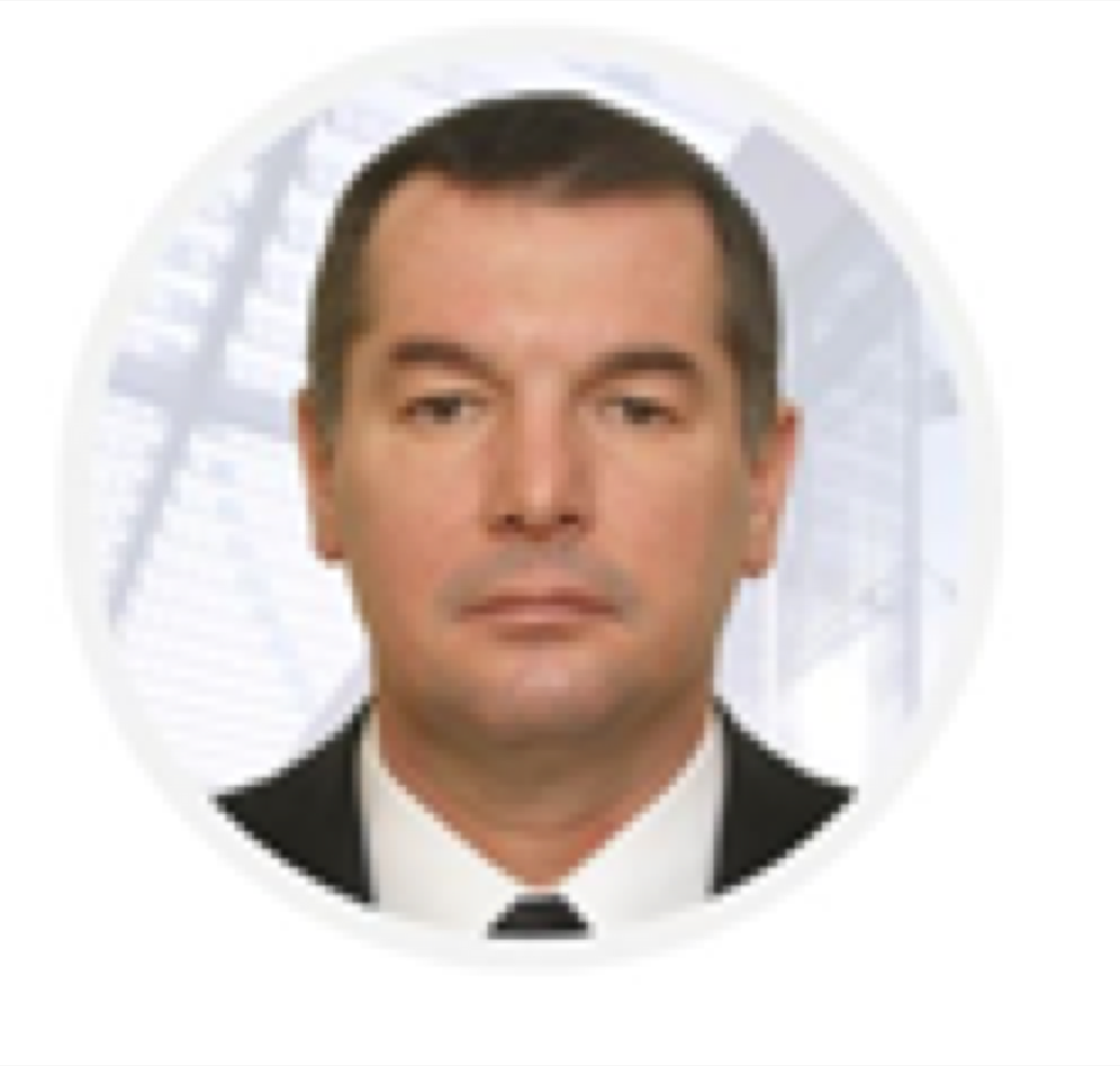
Engr. I. Kotelyanets
Chief Operating Officer (COO) · Project delivery
POISK Group LLC
Oversees POISK Group operations, project delivery and team coordination across active international campaigns.
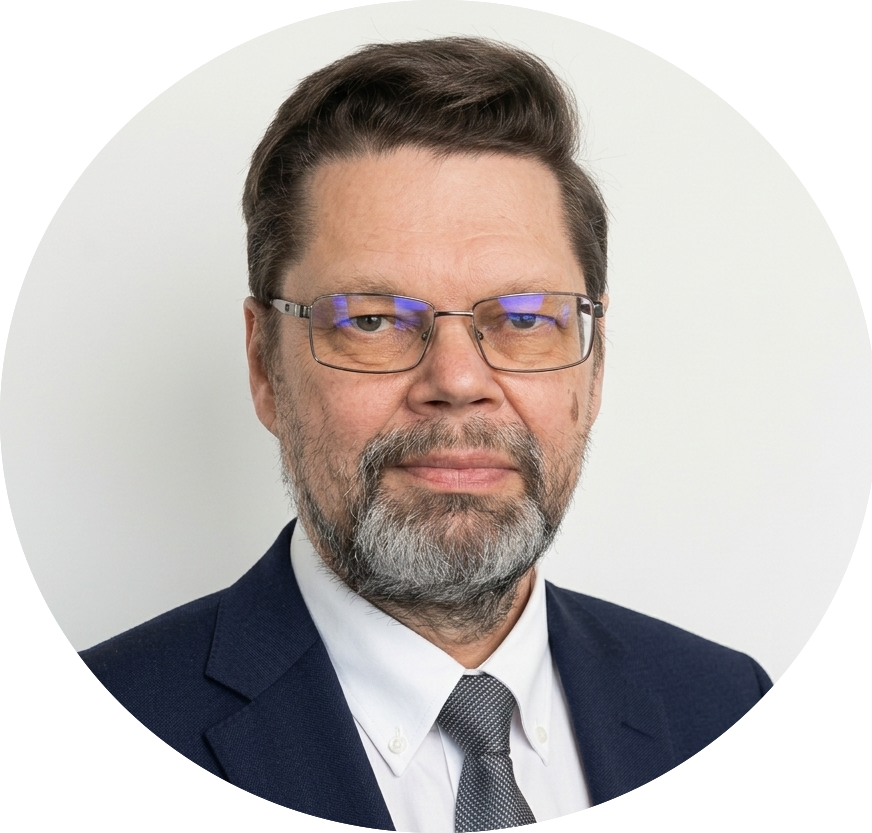
Dr. A. Sergeev
Chief Geologist · Coordinator, International projects
Moscow, Russian Federation
Chief Geologist covering hydrocarbon and ore exploration with international project oversight across Russia, Kazakhstan, Africa and the Americas. Lead reviewer for English-language exploration deliverables.
- PRMS-aligned reserves classification expertise
- Field experience: KazMunaiGas, Rosneft, RussNeft, TNK-BP
Inside the lab
The instruments behind the method.
A selection of the stationary equipment in our Sevastopol laboratory used to calibrate reagent sets, record reference spectra, and process every Stage-2 deliverable. (Captions in the source images are bilingual; English captions appear beneath each photo.)
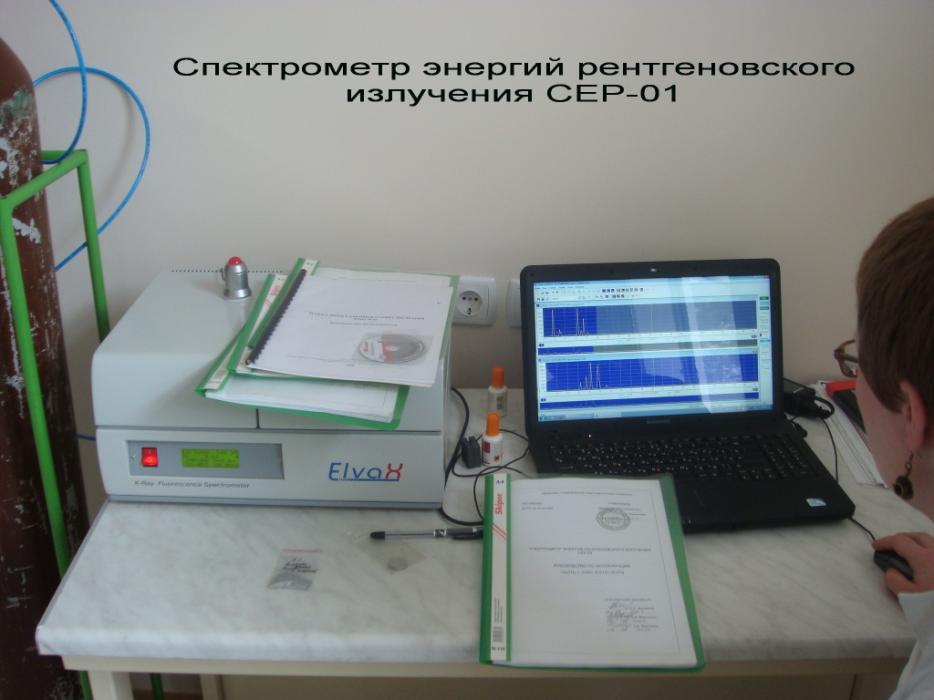
X-ray fluorescence spectrometer (SER-01) — used to record reference spectra of metals and non-metals across a wide spectral range. 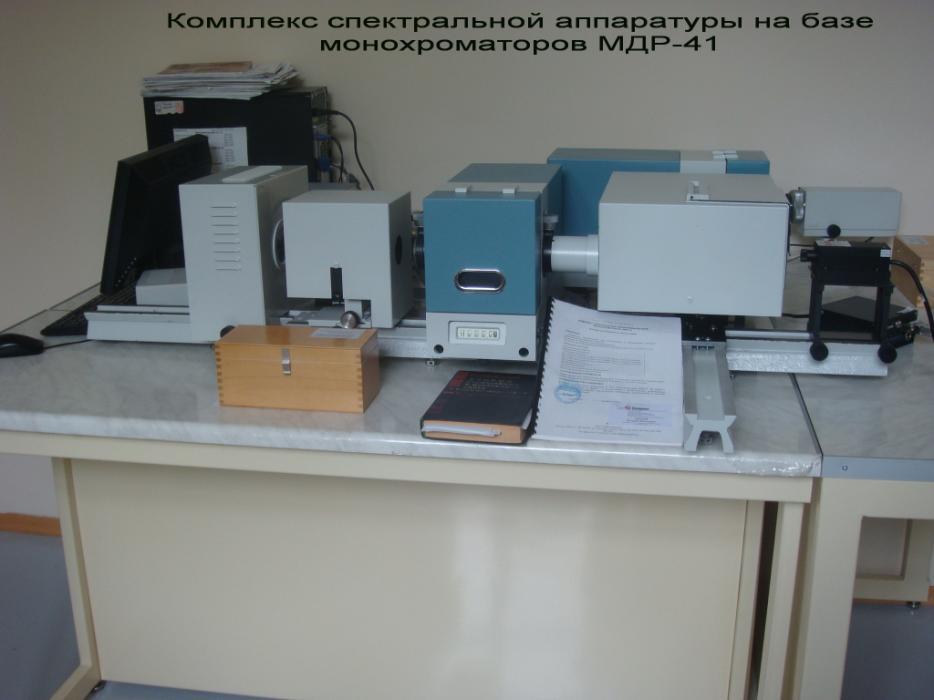
MDR-41 monochromator complex — calibration of the spectral signatures used at Stage 1 image processing. 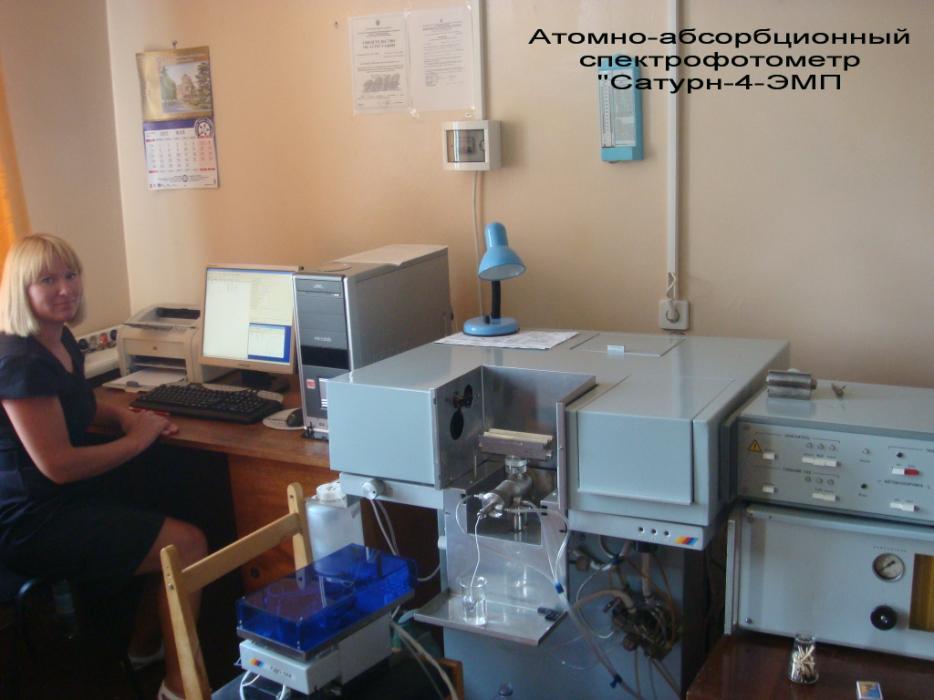
Saturn-4-EMP atomic-absorption spectrophotometer — quantitative analysis of trace metals in core samples. 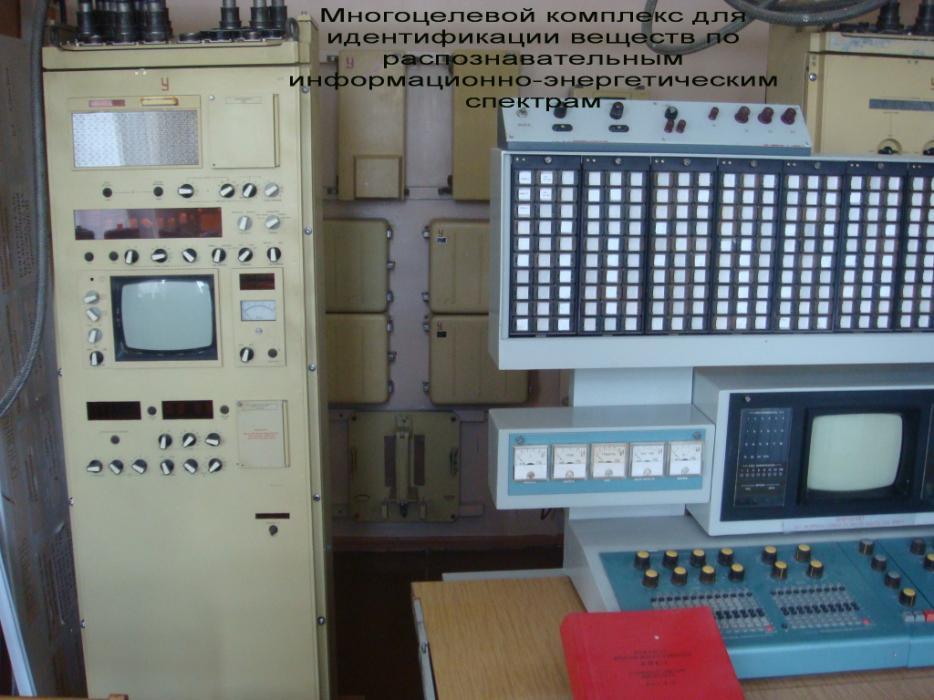
Multi-purpose console for identifying substances by recognition information-energy spectra — heart of the stationary Stage 2 processing chain. 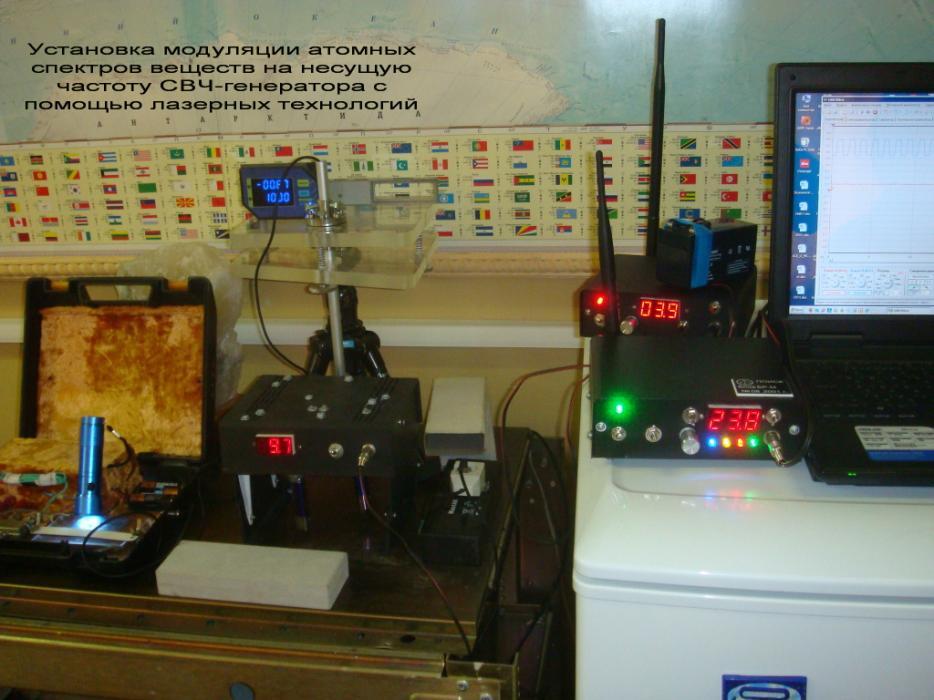
Atomic-spectrum modulation installation — modulates substance spectra onto the carrier frequency of a microwave generator using laser technology. 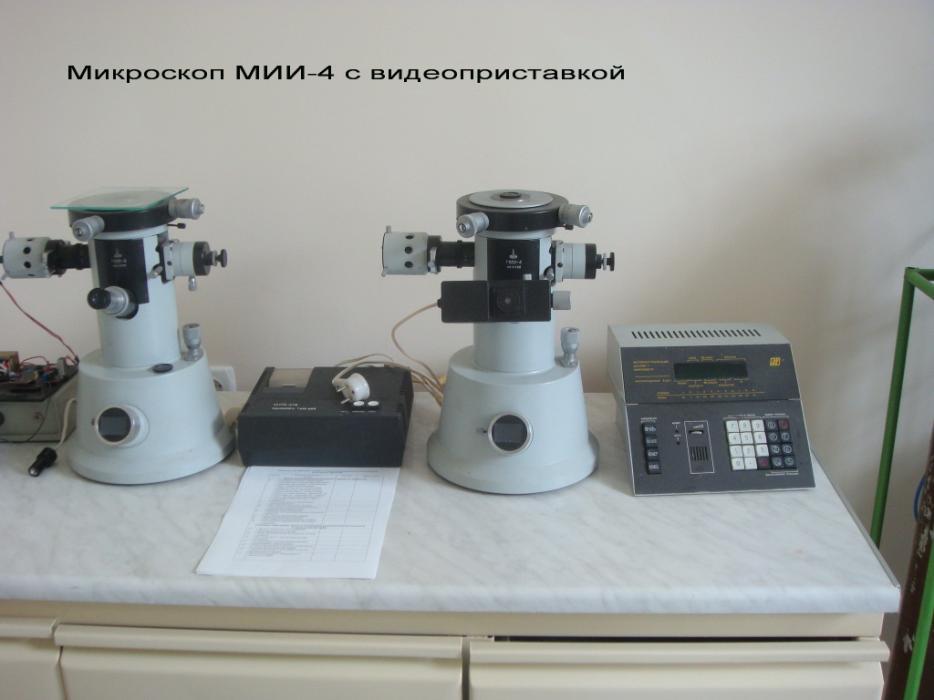
MII-4 microscope with video capture — sample-surface inspection during reference-spectrum preparation. 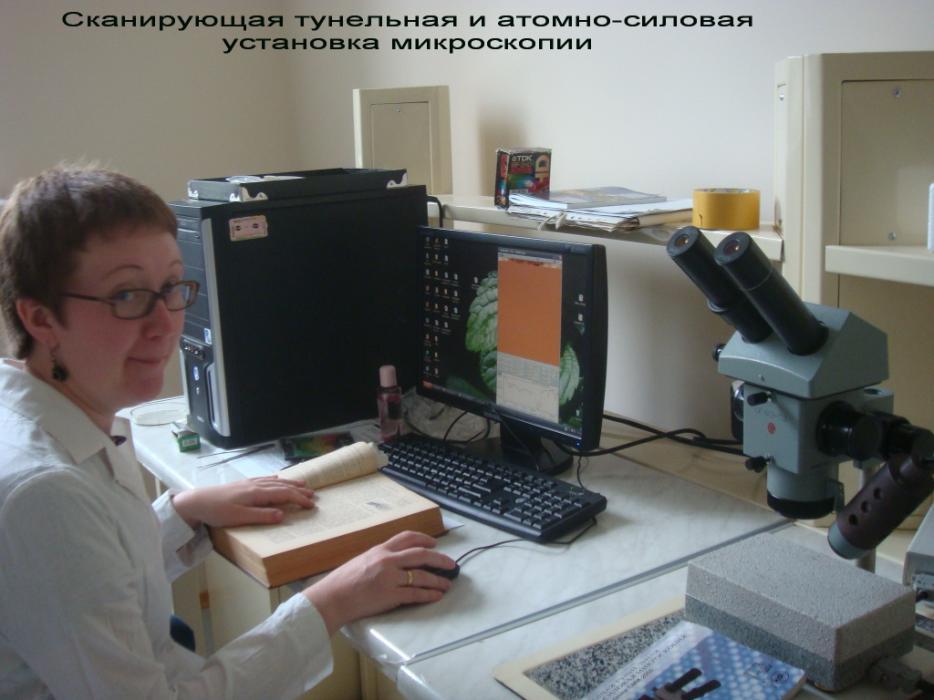
Scanning-tunnelling and atomic-force microscope — nanoscale characterisation of nanopowders used in matrix activation. 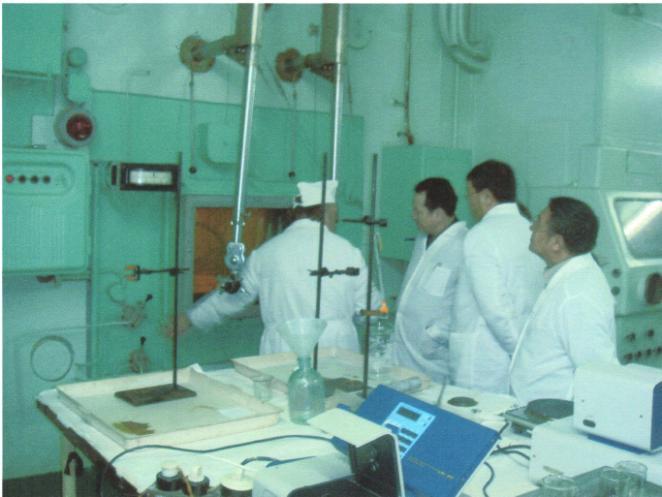
Lab demonstration — instrument calibration and sample handling in the Sevastopol laboratory. 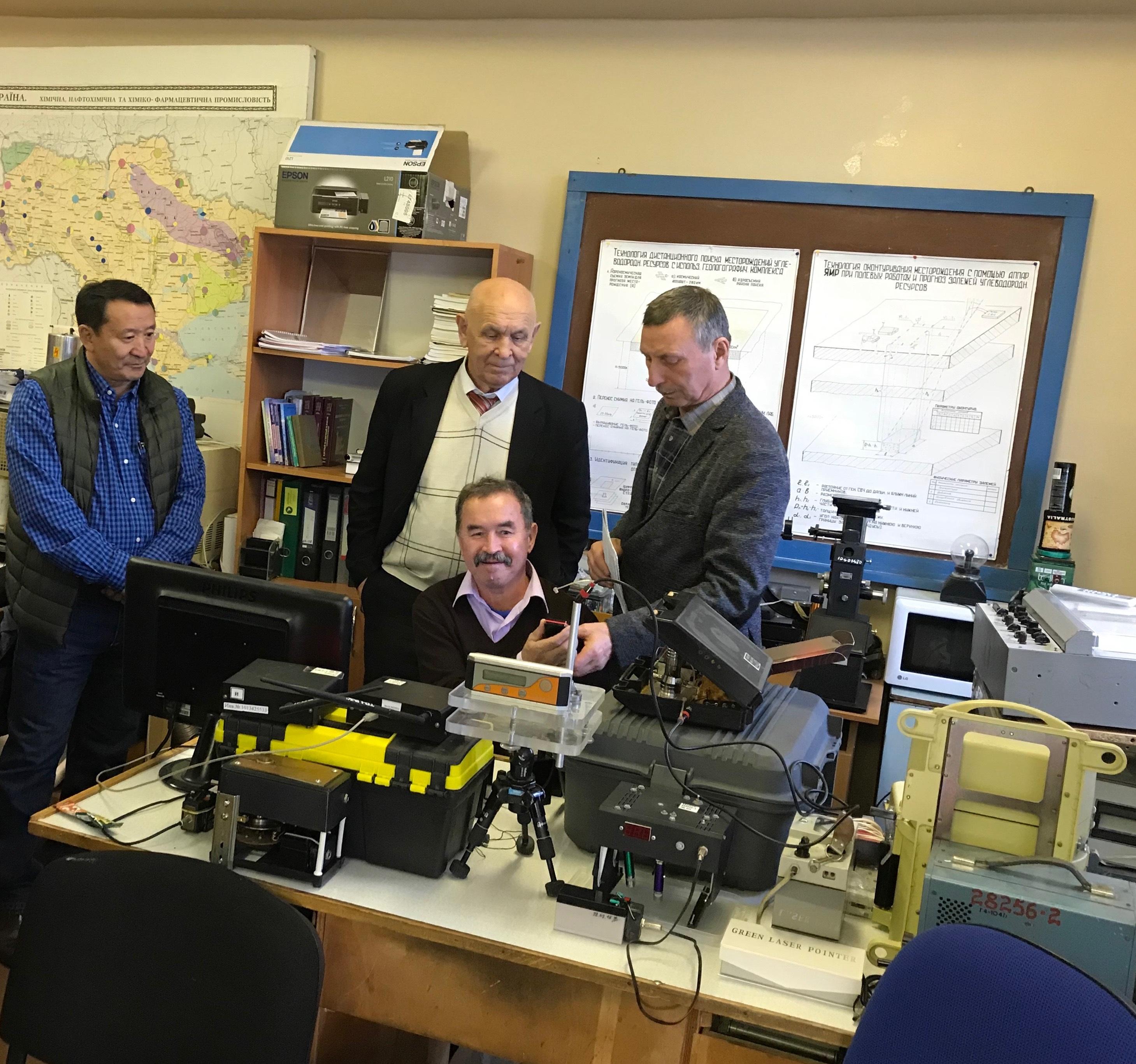
POISK team with the portable Poisk-complex equipment used for Stage 2 field measurements. 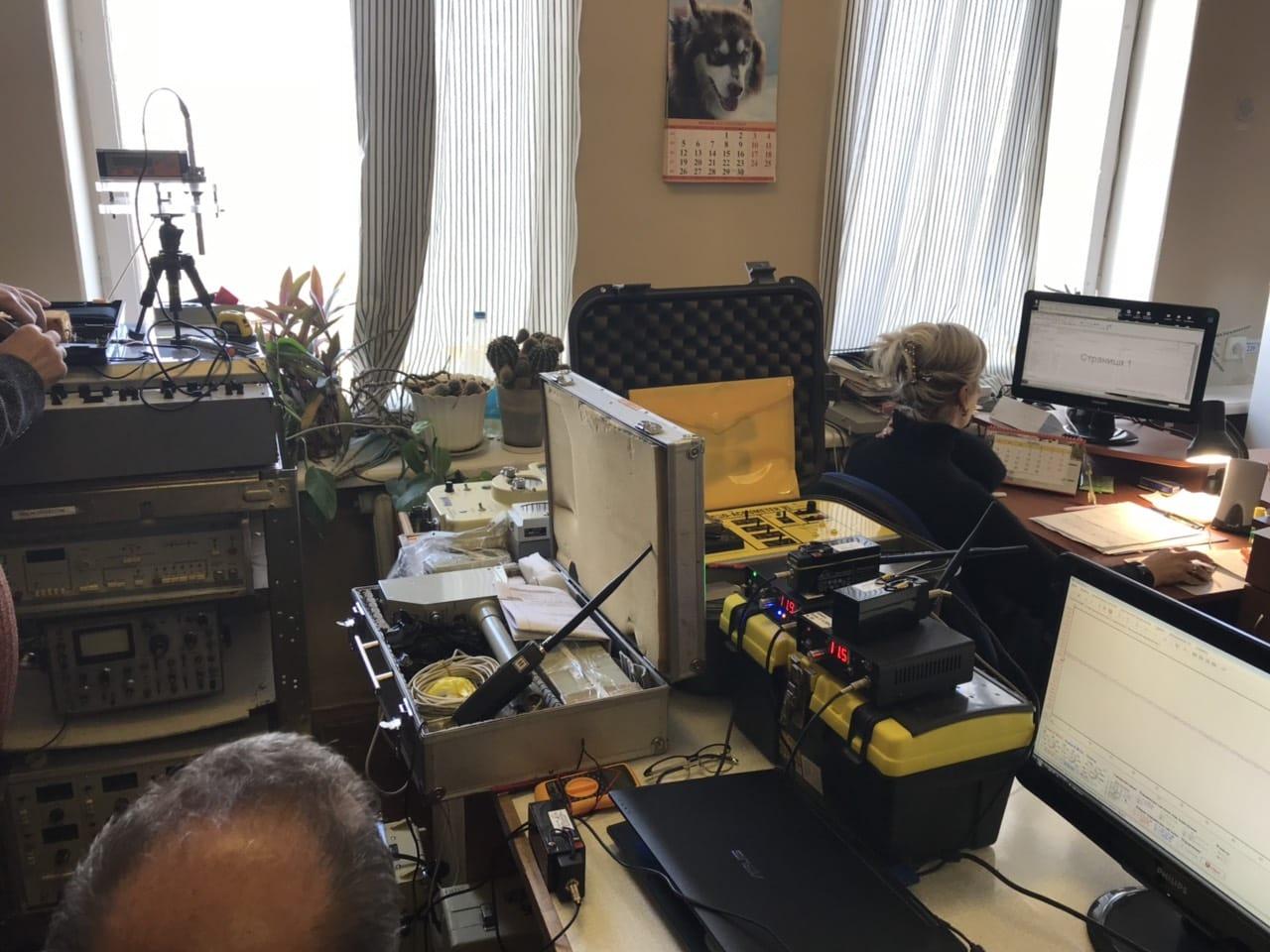
Portable Poisk-complex kit on a workstation desk — vehicle- and boat-deployable for onshore, offshore and remote terrain. 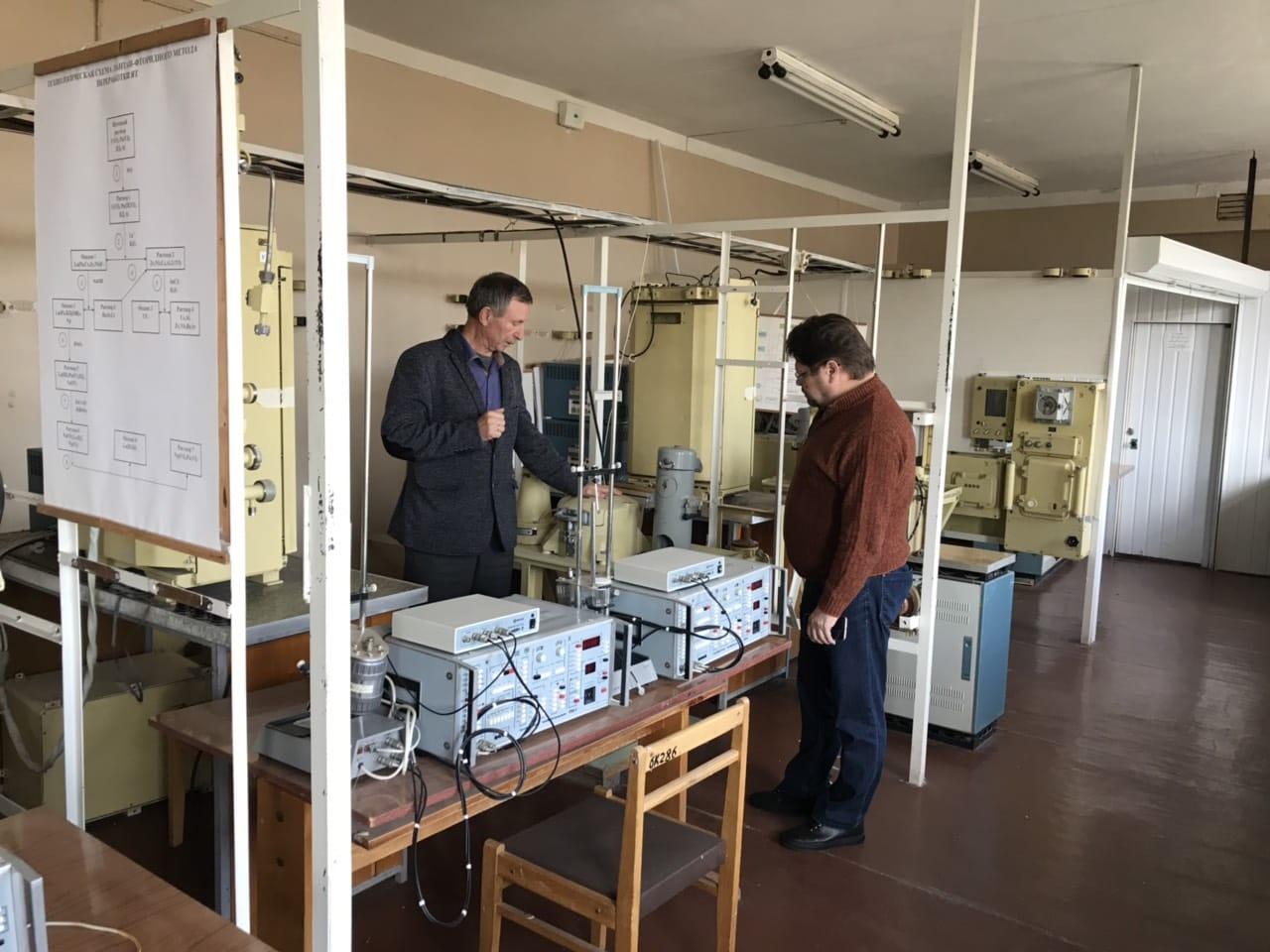
Stationary equipment briefing with the technological flowchart used for Stage 2 processing. 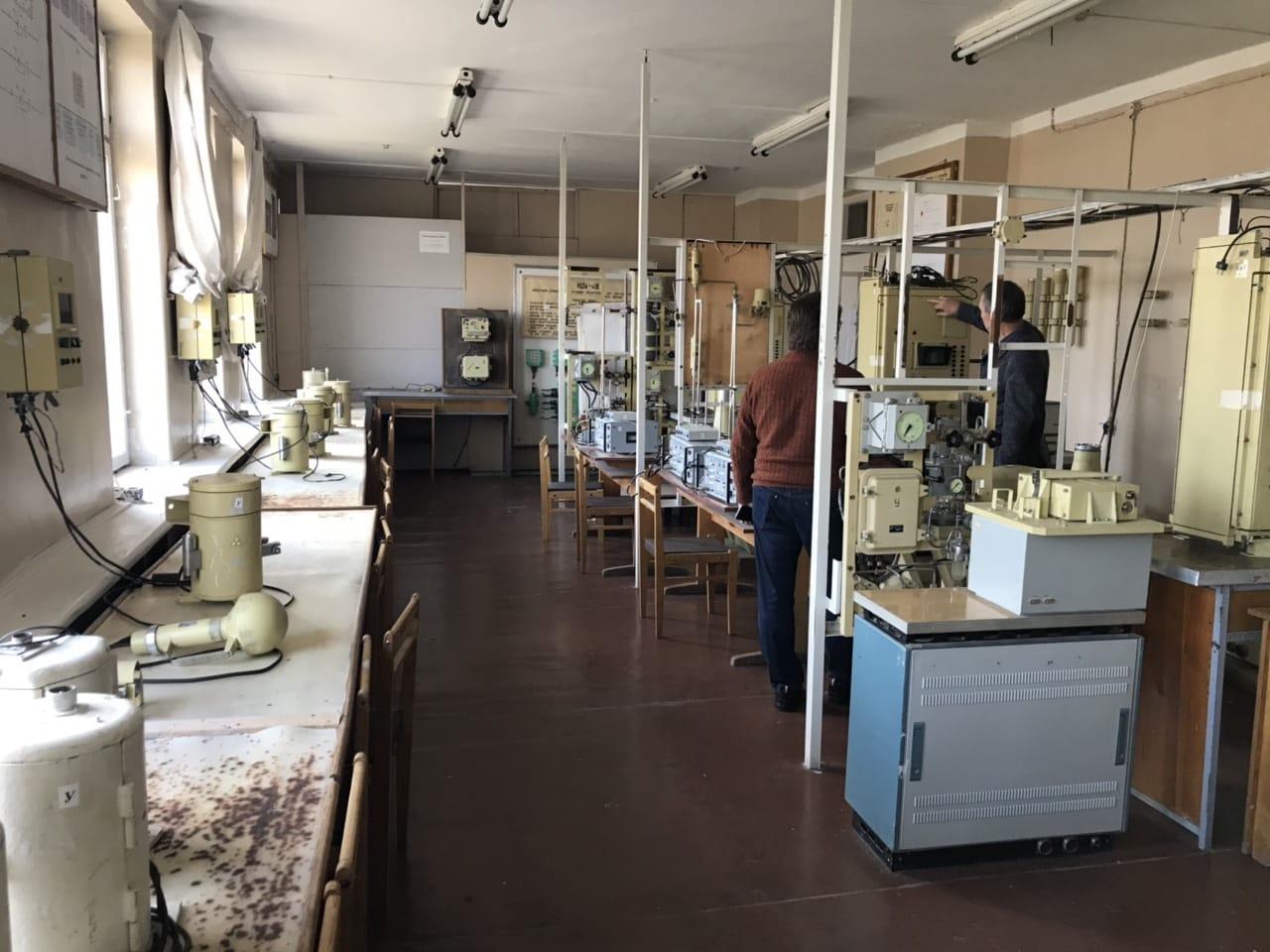
Wide view of the POISK stationary laboratory — multiple parallel benches for spectrum recording, calibration and Stage 2 processing. 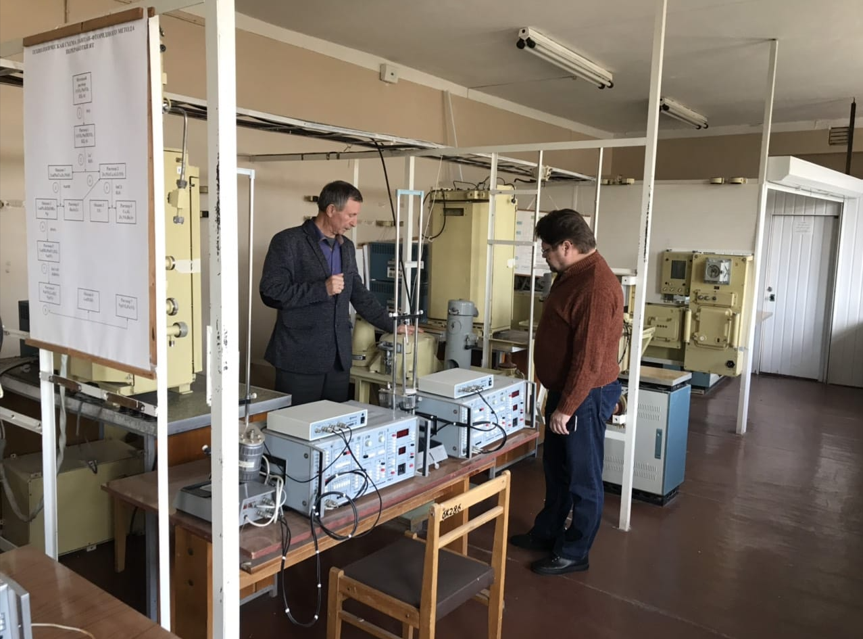
Calibration of spectrometer benches — daily preparation before Stage 2 sample processing. 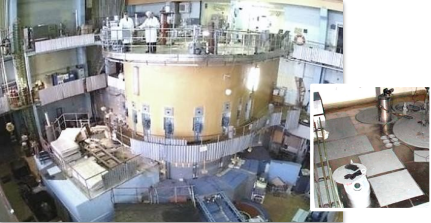
IR-100 nuclear research reactor — radiation activation of the working matrices that record reference spectra for ore exploration (referenced in the Metals & Ores technology page).
Have an exploration challenge?
Tell us about your licence area, your target mineral and your timeline. We'll come back within two business days.
Inquiry / Ask a Question