Process
From broad regional screening to high-resolution target definition.
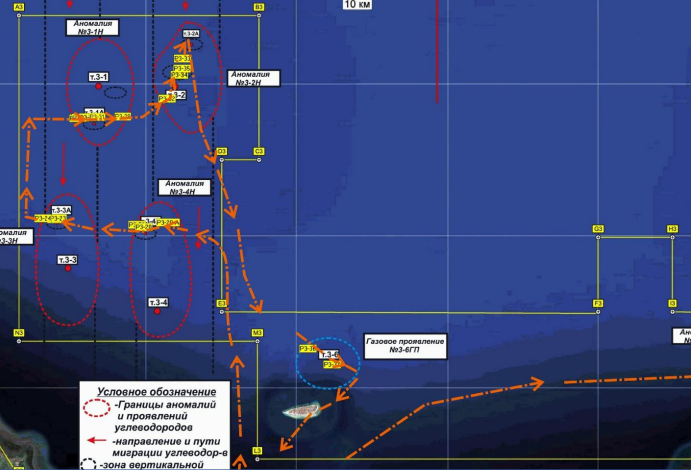
Advanced satellite-based analysis focused on the highest-priority anomaly zones identified during Stage 1. We refine anomaly boundaries, assess subsurface structures, and identify the most promising drilling locations with greater precision.
- 70–75%
- Precision / success rate
- 2–3 months
- Stage duration
- Up to 7,000 m
- Depth coverage
- Onshore & offshore
- ± up to 4%
- Depth tolerance
- Comparable to seismic methods
Advanced satellite-based analysis focused on the highest-priority anomaly zones identified during Stage 1. At this stage, exploration moves from broad regional screening to high-resolution target definition. Using integrated remote sensing and geospatial interpretation, we refine anomaly boundaries, assess subsurface structures, and identify the most promising drilling locations with greater precision.
Key Deliverables
- Precise delineation of prospective reservoir and mineralised zones.
- Mapping of tectonic structures and fracture systems.
- Advanced depth estimation and volumetric assessment.
- High-precision mapping of anomaly boundaries.
- Prioritisation of optimal drilling and exploration targets.
- Technical data support for investment and development decisions.
Strategic Value
This phase transforms preliminary anomaly indications into actionable exploration targets. By narrowing uncertainty and improving geological confidence, the Detailed Remote Survey helps clients reduce drilling risk, optimise capital allocation, and accelerate project advancement toward discovery and development.
Why This Approach Works
- Reduces exploration risk before major capital investment.
- Focuses detailed surveys only on high-potential zones.
- Saves significant time and exploration costs.
- Enables faster and more confident exploration decisions.
Diagram